
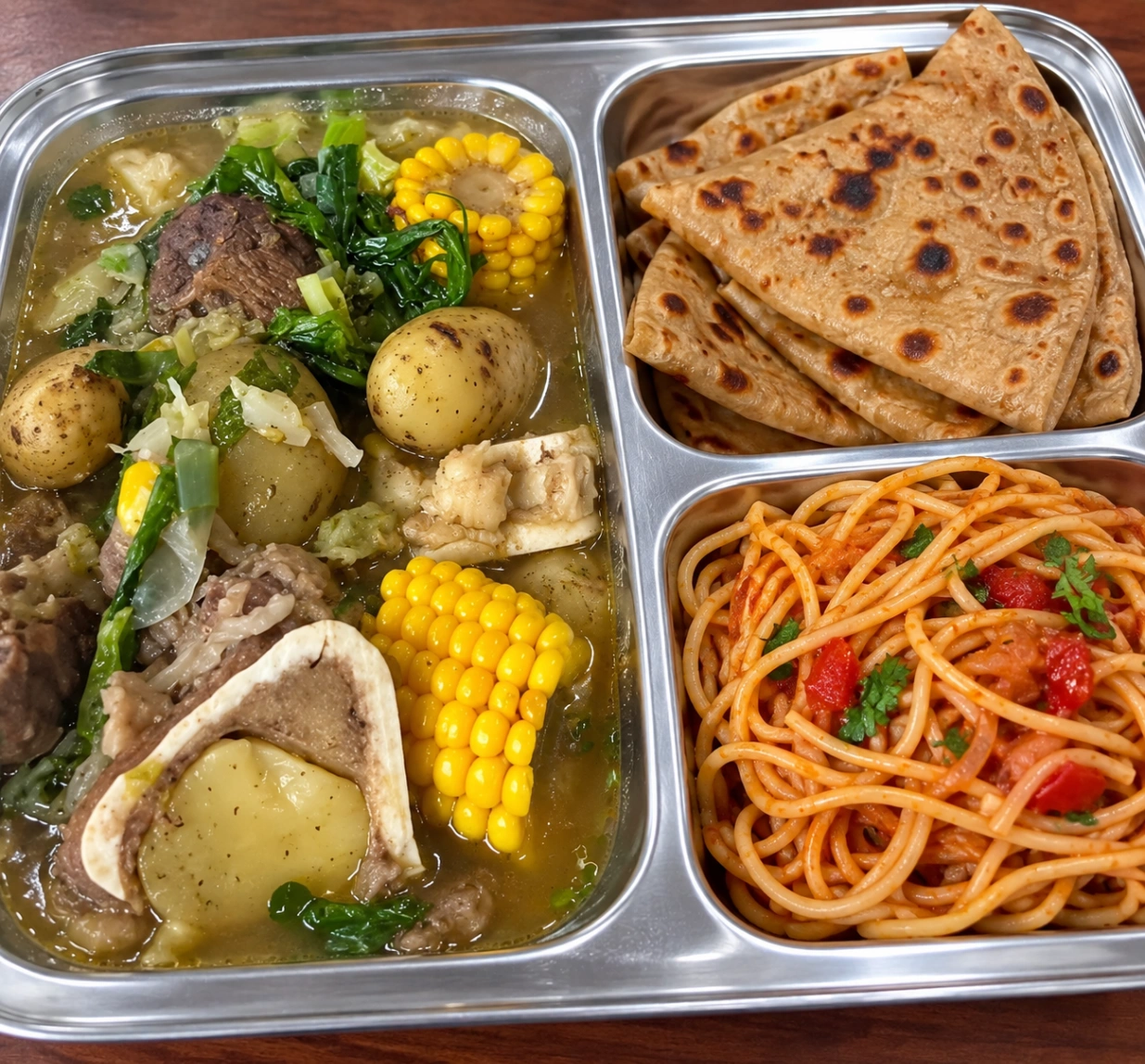
Carb Loading Before Race Day
Carb Loading Before Race Day:
What It Is and How to Get It Right
Every serious runner has heard the advice: "carb load before the big race." But few actually do it well. Done right, carb loading can top up your glycogen stores and help you hold pace deep into the final kilometers. Done wrong, it just leaves you bloated, sluggish, and regretting that third plate of rice the night before the gun goes off.
What Carb Loading Actually Does
During endurance efforts — anything from a half marathon upward, really — your muscles run primarily on glycogen, which is the stored form of carbohydrate in your muscles and liver. The problem is that glycogen stores are limited. A well-trained runner typically carries enough to fuel about 90 minutes to two hours of hard effort before stores start running low, which is exactly when many runners "hit the wall."
Carb loading is simply the practice of maximizing those glycogen stores in the days before a race, so you start with a fuller tank and can hold your goal pace for longer before fatigue sets in.
Who Actually Needs It
Carb loading matters most for races lasting 90 minutes or longer — think half marathons, marathons, and longer trail or ultra events. For shorter races (5K, 10K), your normal glycogen stores are usually sufficient, and a big carb-loading protocol isn't necessary. A light emphasis on carbs in the day or two before is enough.
The Classic Approach:
3 Days Out
The modern, evidence-backed method has moved away from the old "deplete then load" strategy (which involved a hard glycogen-depleting workout followed by a low-carb phase — unnecessary and often miserable). Instead: 3 days before the race: Shift your diet so roughly 70% of your calories come from carbohydrates. This usually means bumping up rice, pasta, bread, potatoes, and fruit while trimming back fat and fiber-heavy foods that slow digestion. Keep training light: Pair this with reduced training volume (your taper) so the carbs you're eating actually get stored rather than burned off. The night before: A carb-focused dinner is good practice, but it shouldn't be a massive, unfamiliar meal. Stick to foods you know your stomach handles well.
Practical Tips for Race Week
Don't overdo fiber and fat in the 24–48 hours before the race — both slow digestion and can cause GI distress on race morning.
Favor familiar foods. Race week is not the time to try a new cuisine or restaurant, however tempting.
Hydrate alongside the carbs. Glycogen is stored with water, so you'll naturally retain some fluid — this is normal and part of why you may feel slightly heavier in the days before a race. It's a good sign, not a bad one.
Race morning: A light, carb-based breakfast 2–3 hours before the start (think oatmeal, toast with honey, a banana) tops off liver glycogen without sitting heavy in your stomach. During long races: Carb loading fills the tank, but for anything over 90 minutes you'll still need to fuel during the race itself — gels, chews, or sports drinks — since even a full glycogen tank runs out eventually.
Common Mistakes to Avoid
Loading too early. Starting the high-carb phase a week out just adds unnecessary calories without extra benefit — 2–3 days is the sweet spot. Overeating. Carb loading means shifting the proportion of carbs in your diet, not simply eating more food overall. Skipping salt and electrolytes. A heavier carb intake doesn't replace your normal hydration and electrolyte needs, especially in hot or humid race conditions. Ignoring your gut. Everyone digests differently — test your race-week routine during training, not for the first time on race morning.
The Bottom Line
Carb loading isn't about a single dramatic pasta dinner the night before — it's a gradual shift over the final 2–3 days that tops off your glycogen stores while your body rests through the taper. Combined with smart in-race fueling and good hydration, it gives you the best shot at running strong from start line to finish line.