
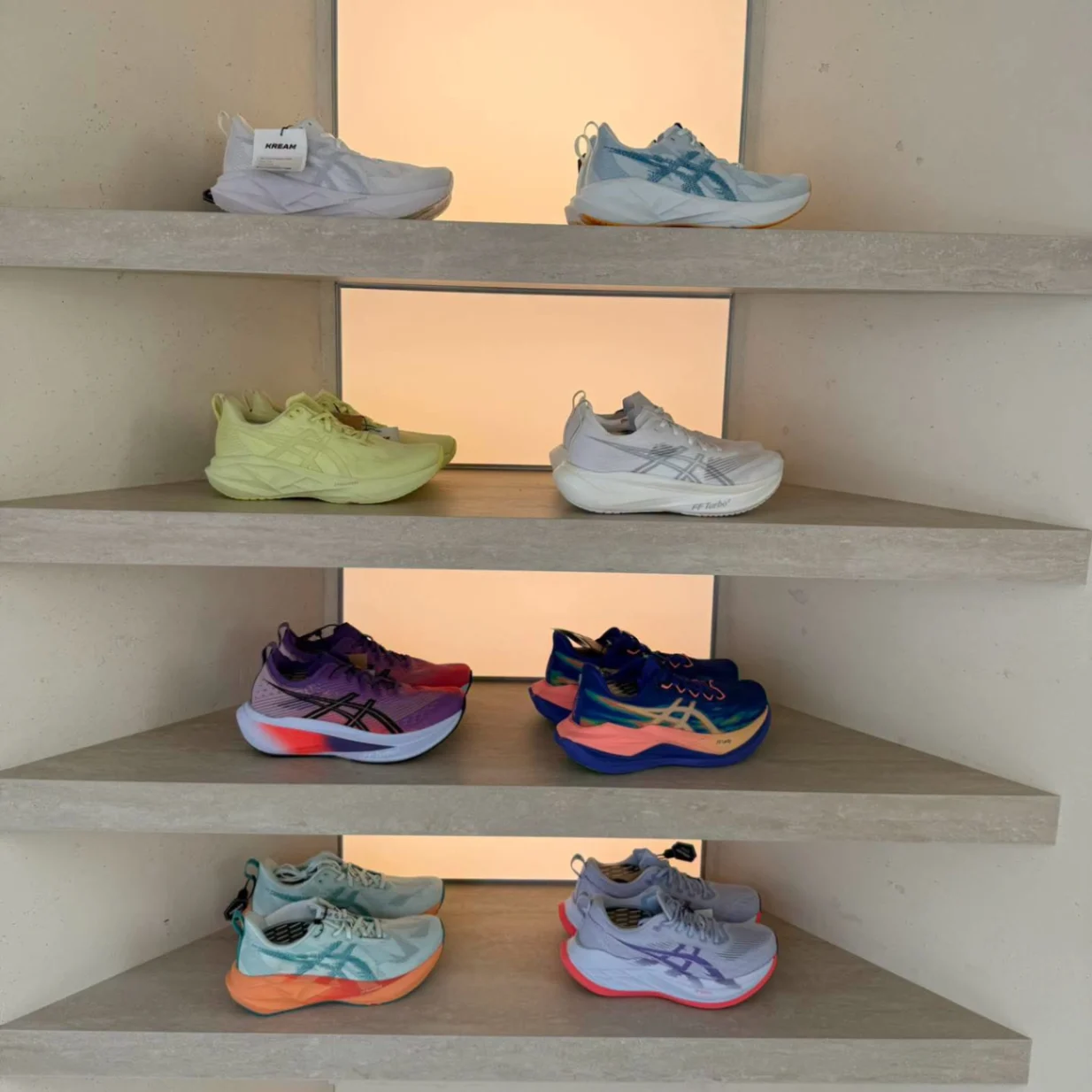
Running shoes for beginners
Running Shoes for Beginners: How to Choose the Right Pair
Starting your running journey is exciting. Whether your goal is to lose weight, improve your fitness, train for your first 5K, or simply enjoy being active, one of the most important investments you can make is a good pair of running shoes.
For beginners, choosing running shoes can be confusing. Walk into a sports shop and you may find dozens of models with different prices, cushioning systems, foam technologies and designs. The most expensive shoe is not necessarily the best shoe for you. What matters is finding a shoe that is comfortable, suitable for your running style and appropriate for the type of running you plan to do.
1. Comfort Comes First
For a beginner, comfort should be the number-one priority.
A running shoe should feel comfortable from the moment you put it on. You should not have to "break it in" for it to stop hurting your feet. Look for a shoe that feels secure around the heel and midfoot while giving your toes enough room to move.
When trying shoes, preferably do so later in the day, when your feet have expanded slightly. Wear the socks you normally use for running and, if possible, walk or jog around the shop before buying.
A simple rule is: if the shoe feels uncomfortable in the shop, it is unlikely to become comfortable after several kilometres of running.
2. Get the Right Size
Running can cause your feet to swell, and your feet may also move slightly forward during a run. Therefore, your running shoes should generally have a little more space than your everyday shoes.
You should have roughly a thumb's width of space between your longest toe and the front of the shoe. Your heel, however, should not slip excessively.
Also remember that shoe sizes vary between brands. A UK 9 in one brand may not feel exactly the same as a UK 9 in another. Fit matters more than the number written on the shoe.
3. Consider Cushioning
Cushioning is particularly important for beginners because your body is still adapting to the impact and repetitive movement of running.
There are several types of running shoes:
- Lightly cushioned shoes – responsive and relatively close to the ground.
- Moderately cushioned shoes – a good balance between comfort and responsiveness.
- Highly cushioned shoes – designed to provide a softer, more protective ride.
For someone starting out, a comfortable daily trainer with moderate-to-high cushioning is often a sensible choice, especially if you are running longer distances or primarily on hard surfaces.
However, more cushioning does not automatically mean a better shoe. The best amount depends on your preference, body size, running style and training goals.
4. Think About Where You Will Run
Your running surface should influence your choice of shoes.
Road Running
If you will mainly run on tarmac, pavements and other hard surfaces, choose a road-running shoe. These shoes generally have cushioning and outsoles designed for relatively smooth surfaces.
Trail Running
If you plan to run on dirt trails, rocky paths or muddy terrain, consider a trail-running shoe. Trail shoes usually have deeper, more aggressive outsole patterns to provide better grip.
Treadmill Running
Most road-running shoes work well on treadmills. You don't necessarily need a special treadmill shoe.
5. Don't Overcomplicate Pronation
You may hear terms such as overpronation, underpronation or neutral runner when shopping for shoes.
While these concepts can be useful, beginners shouldn't feel pressured into buying a particular shoe simply because someone says they "need stability."
Modern running shoes come in many designs, and comfort and overall fit are extremely important. If you have a significant biomechanical issue, recurring pain or a history of running injuries, getting advice from a qualified professional can be helpful.
6. Don't Buy a Shoe Just Because It Is Expensive
A common mistake among new runners is assuming that the most expensive running shoe must be the best.
It isn't.
A premium racing shoe with carbon plates and advanced foam may cost significantly more than a basic daily trainer, but that doesn't mean it is the right shoe for someone running their first 3–5 kilometres.
For beginners, a reliable daily training shoe is usually a better starting point. It should be comfortable, durable and versatile enough for easy runs, walking and gradually increasing mileage.
7. Understand the Difference Between Training and Racing Shoes
Running shoes can broadly be divided into training shoes and racing shoes.
Daily trainers are designed for regular training. They tend to prioritise comfort, durability and versatility.
Racing shoes are often lighter and may use advanced foams and carbon plates to improve running efficiency and speed. They can be excellent tools for experienced runners, but they aren't necessary for someone just starting.
Build your running foundation first. Speed-focused shoes can come later.
8. Your First Running Shoe Doesn't Have to Be Perfect
One of the biggest mistakes beginners make is spending too much time searching for the "perfect" shoe.
There isn't one perfect running shoe for everyone.
A shoe that feels fantastic to one runner may feel completely wrong to another. Two runners with the same shoe size can have very different foot shapes, preferences and running mechanics.
Instead of asking, "What is the best running shoe?", ask:
"What is the best running shoe for me?"
That change in mindset makes choosing much easier.
9. How Much Should a Beginner Spend?
You don't necessarily need to spend a fortune.
A good beginner shoe can be found at different price points. Instead of focusing solely on the price, consider:
- Comfort
- Fit
- Cushioning
- Durability
- Intended running surface
- Your weekly mileage
- Whether the shoe suits your training goals
If your budget allows, it is often better to buy one good pair of dependable daily trainers than several inexpensive pairs that don't fit properly.
10. When Should You Replace Your Running Shoes?
Running shoes gradually lose their cushioning and structural integrity.
There is no universal mileage at which every shoe must be replaced. However, many running shoes can last roughly 500–800 kilometres, depending on the model, runner and surface.
Don't rely only on mileage. Look for signs such as:
- Noticeably reduced cushioning
- Excessively worn outsole
- Uneven compression of the midsole
- New aches or discomfort during or after running
- Visible damage to the upper
- The shoe no longer feels as supportive or comfortable as it once did
If your shoes are worn out, replacing them can be a worthwhile investment.
Some Good Beginner Shoe Characteristics
If you're completely new to running, look for a shoe that is:
Comfortable + well-fitting + adequately cushioned + durable + suitable for your running surface.
You don't need the lightest shoe. You don't need the fastest shoe. You don't need the shoe with the most technology.
You need a shoe that makes you want to run again tomorrow.
Final Thoughts
The right running shoes can make your introduction to running more comfortable and enjoyable. But remember that shoes are only one part of becoming a runner.
Start slowly. Give your body time to adapt. Increase your distance gradually and pay attention to how you feel.
Your first pair of running shoes doesn't need to turn you into a marathoner overnight. It simply needs to help you take the first comfortable step toward becoming one.
Choose comfort. Choose the right fit. Start gradually. Then enjoy the journey.